<div class="header-ticker">
<span class="ticker-label">BREAKING:</span>
<span class="ticker-text">Tech & Sports updates live now...</span>
</div>

EU Parliament Approves Digital Services Act

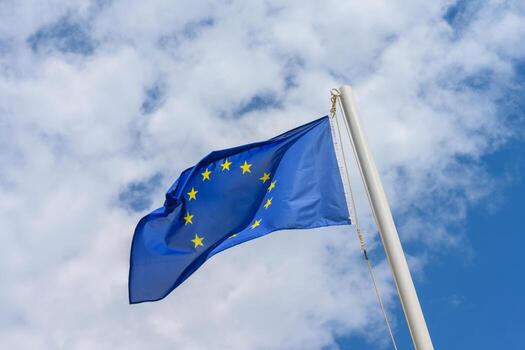
The European Parliament has officially approved the Digital Services Act (DSA) — a landmark piece of legislation designed to reshape the regulation of digital services across the European Union. First agreed upon by the Parliament and EU Council in 2022, the regulation is now fully adopted and has begun shaping how online platforms operate within the Single Market.
The Digital Services Act (Regulation (EU) 2022/2065) establishes a comprehensive legal framework that holds online intermediaries, including social networks, marketplaces, search engines, app stores and cloud services, accountable for content hosted on their platforms. It updates and expands earlier digital rules, replacing parts of the Electronic Commerce Directive and setting clearer responsibilities to tackle illegal and harmful online content.
Under the DSA, platforms must adopt stringent measures to combat illegal content, such as hate speech, terrorist material, counterfeit goods and disinformation, while protecting users’ fundamental rights online. The Act also imposes transparency obligations requiring companies to explain their content moderation systems, recommenders and advertising, giving users clearer information about how decisions are made on their data and feeds.
A key innovation in the DSA is its graduated obligations, which scale with the size and impact of a digital service. Very Large Online Platforms (VLOPs) — those with more than 45 million monthly users in the EU — face the most onerous compliance duties. These include risk assessments, systemic risk mitigation plans, external audits, and severe penalties for violations, including fines based on a percentage of global turnover.
The DSA also sets up a new enforcement and cooperation framework between the European Commission and national regulators, ensuring consistent application of the law across all EU member states. This uniformity aims to provide legal certainty for businesses operating across the bloc’s digital economy, while strengthening consumer protections.
Officials have described the Digital Services Act as a world-first regulatory standard for digital services. It positions the EU at the forefront of global efforts to govern online platforms, protect citizens’ rights, curb illegal and harmful content, and foster trust in the digital environment.
Since entering into force in November 2022, the DSA’s obligations have gradually become applicable to services in the EU, with enforcement actions already underway against major platforms that fail to meet the new requirements.